Enterprise Cybersecurity Companies and UAE Cybersecurity Compliance Checklist Explained
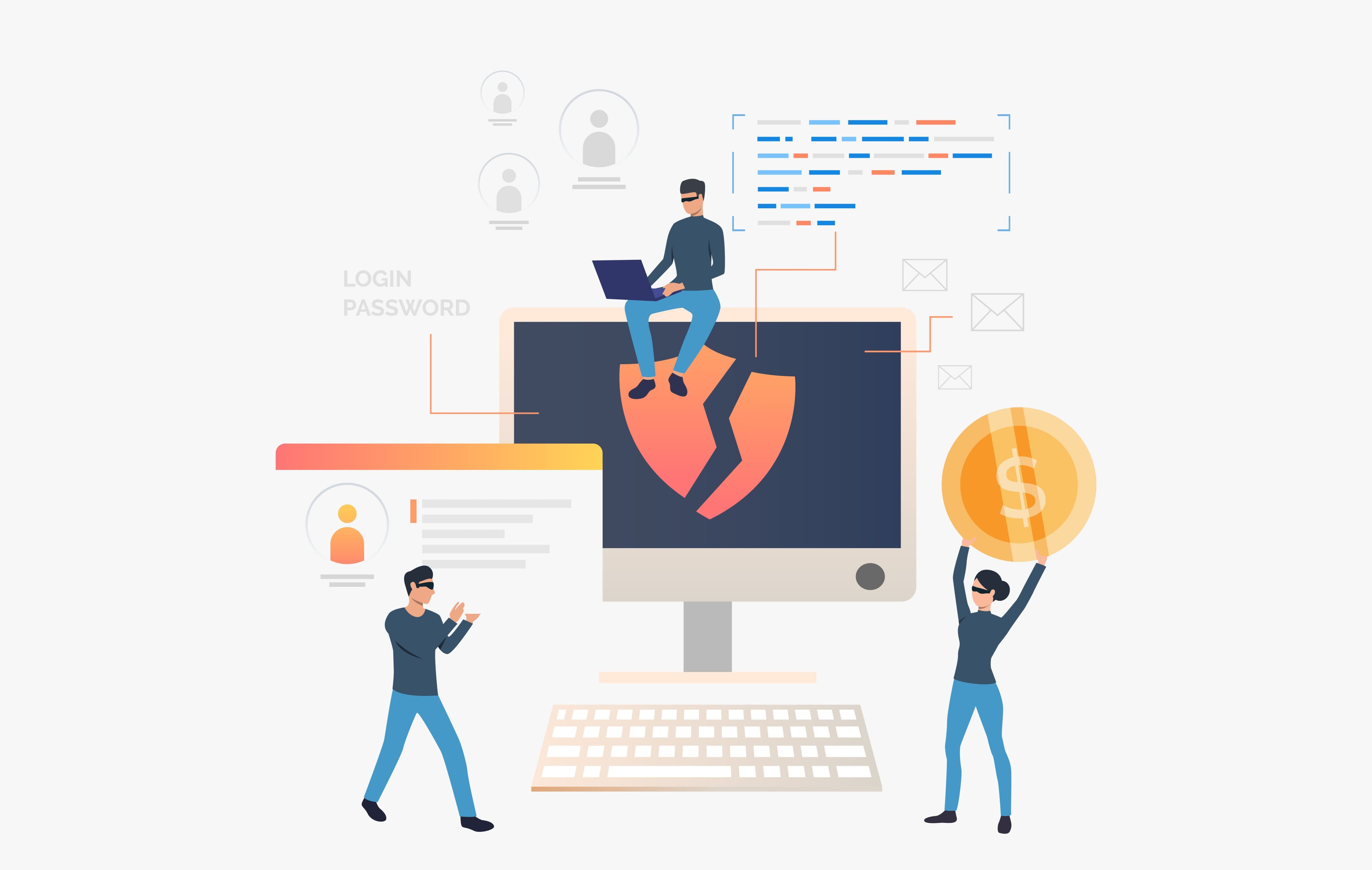
Are we compliant, or are we exposed without realizing it? How to Know If Your Organization Is at Risk?
Enterprise cybersecurity companies are increasingly being approached in the UAE for one reason that has nothing to do with buying another tool. Leadership teams want clarity. They want to know whether their organization is genuinely compliant with UAE cybersecurity expectations or whether they are operating with hidden risks that could surface during an audit, a client due diligence review, or a real cyber incident, particularly in environments relying on aws data center in dubai infrastructure.
Across the UAE, cybersecurity compliance has moved from being an IT responsibility to a board-level concern. Regulators, enterprise customers, and government entities now expect organizations to demonstrate measurable controls, not assumptions. This is particularly relevant in sectors such as banking, healthcare, logistics, real estate, retail, manufacturing, and government-linked enterprises, many of which are increasingly supported by UAE aws data center ecosystems.
According to UAE-focused cybersecurity reports published through national cyber frameworks and regional security alliances, more than 60 percent of UAE organizations that experienced a cyber incident in the last two years believed they were compliant before the breach occurred. The gap was not awareness, but execution. Policies existed, but controls were inconsistent. Tools were deployed, but visibility was limited. Vendors were engaged, but accountability was unclear.
This is where experienced enterprise cybersecurity companies, such as Unicorp Technologies, step in, not as tool sellers, but as compliance and risk partners.
Why Cybersecurity Compliance in the UAE Is Different From Other Regions
Cybersecurity compliance in the UAE is shaped by a unique combination of national cyber strategy, sector-specific regulations, and rapid digital transformation. Organizations operating in United Arab Emirates are expected to align with frameworks influenced by the UAE National Cybersecurity Strategy, sector regulators, and global standards such as ISO 27001 and NIST.
What makes this challenging is speed. UAE enterprises are adopting cloud platforms, generative AI software services, smart infrastructure, and integrated digital ecosystems faster than many global counterparts, often supported by aws data center in dubai expansion. Research from regional cybersecurity observatories indicates that over 75 percent of medium and large UAE enterprises now operate hybrid or multi-cloud environments, yet fewer than half have compliance controls mapped consistently across those environments.
This mismatch creates silent risk.
How Enterprise Cybersecurity Companies Assess Organizational Risk in the UAE
When enterprise cybersecurity companies evaluate risk, they do not start with software. They start with alignment. They examine whether cybersecurity controls actually support regulatory expectations, business objectives, and real-world threat exposure.
At Unicorp Technologies, this approach is grounded in three realities seen repeatedly across UAE enterprises:
First, compliance failures are rarely caused by lack of technology. They are caused by fragmented ownership between IT, security, compliance, and business units.
Second, most organizations underestimate lateral risk. They secure perimeter systems but overlook internal access paths, third-party integrations, and unmanaged assets.
Third, documentation often lags behind reality. Controls may exist operationally, but evidence is incomplete, outdated, or inconsistent, which becomes critical during audits or investigations.
The UAE Cybersecurity Compliance Checklist Explained
How Enterprise Cybersecurity Companies Determine Whether You Are Actually at Risk
Enterprise cybersecurity companies operating in the UAE evaluate compliance by asking one simple question: Can this organization prove, at any moment, that its security controls work as intended? The checklist below reflects how mature organizations validate that answer across governance, technology, and operations, based on real enterprise assessments delivered by Unicorp Technologies.
1. Governance, Ownership, and Regulatory Accountability
Key diagnostic questions leaders should ask themselves:
Who is ultimately accountable for cybersecurity compliance outcomes?
Are security decisions tied to documented business risk acceptance?
Does governance evolve as the organization adopts new platforms or services?
Expert explanation:
In the UAE, cybersecurity compliance is no longer viewed as a technical function. Regulators, government entities, and enterprise clients expect a clearly defined governance structure that shows executive ownership of cyber risk. During compliance assessments, one of the first weaknesses identified is the absence of a named executive with authority over security decisions. Without this ownership, security programs become reactive, budgets are misaligned, and audit findings repeat. Mature organizations document security decisions, including accepted risks, deferred remediation, and strategic trade-offs. This creates a defensible compliance posture that demonstrates intent, oversight, and accountability when questioned by regulators or enterprise partners.
2. Asset Visibility Across Hybrid and Cloud Environments
Key diagnostic questions leaders should ask themselves:
Can we accurately identify every system, application, and data repository in use?
Do business teams deploy technology outside central oversight?
Is ownership assigned for every asset across departments?
Expert explanation:
Asset visibility is foundational to cybersecurity compliance in the UAE, yet it remains one of the most common failure points. As organizations rapidly adopt cloud platforms, SaaS tools, and operational technology, asset inventories quickly become outdated. Enterprise cybersecurity companies consistently find that unknown or unmanaged assets are the entry point for attacks. Compliance frameworks assume that organizations know what they are protecting. Without accurate asset inventories, controls such as patching, access management, and monitoring cannot be enforced consistently. Assigning ownership ensures that every system has someone responsible for its security posture, which significantly improves audit readiness and operational resilience.Enterprise cybersecurity companies consistently find that unknown or unmanaged assets are the entry point for attacks, particularly in environments connected to uae aws data center deployments.
3. Data Classification, Residency, and Protection Controls
Key diagnostic questions leaders should ask themselves:
Do we know which data is regulated, sensitive, or mission critical?
Are data protection controls consistent across environments?
Can we demonstrate where regulated data is stored and accessed?
Expert explanation:
UAE cybersecurity compliance places strong emphasis on data governance. Organizations that treat all data equally often fail to meet regulatory expectations. Data classification allows security teams to apply appropriate controls based on sensitivity and regulatory impact. Enterprise assessments regularly uncover scenarios where sensitive data is stored in cloud environments without adequate encryption or access control, especially when not aligned with data security dubai standards.
4. Identity, Access Management, and Privileged Control
Key diagnostic questions leaders should ask themselves:
Are access rights reviewed continuously or only during audits?
Are privileged accounts tightly controlled and monitored?
How is third-party access governed and revoked?
Expert explanation:
Access management failures are among the most frequent contributors to breaches in the UAE. Compliance requires organizations to demonstrate that users only have access necessary for their roles. However, enterprise cybersecurity companies often find excessive permissions accumulated over time, particularly for long-tenured employees and contractors. Privileged accounts represent a higher risk and demand additional monitoring and approval workflows. Third-party access further complicates compliance, as vendors and partners often retain access long after engagement completion. Mature organizations implement continuous access reviews and automated deprovisioning to maintain compliance integrity.
5. Network Security Architecture and Segmentation
Key diagnostic questions leaders should ask themselves:
Is the network designed to limit attack spread?
Are internal and external communications monitored?
How are legacy systems isolated?
Expert explanation:
Network architecture plays a critical role in compliance and risk containment. Flat networks remain common across UAE enterprises, especially those with legacy infrastructure. In such environments, a single compromise can cascade across systems. Network security solutions companies emphasize segmentation as a compliance best practice because it limits lateral movement and reduces impact. Continuous monitoring of network traffic provides early warning signals of abnormal behavior. Legacy systems, often critical to operations, must be isolated and protected with compensating controls to meet compliance expectations without disrupting business continuity.
6. Continuous Vulnerability Management and Remediation
Key diagnostic questions leaders should ask themselves:
How often are vulnerabilities identified?
Are vulnerabilities prioritized based on business risk?
Is remediation validated and documented?
Expert explanation:
Annual vulnerability scans no longer meet enterprise compliance standards in the UAE. Continuous vulnerability management reflects modern threat realities and regulatory expectations. However, volume alone is not enough. Enterprise cybersecurity companies assess whether vulnerabilities are prioritized based on potential business impact rather than technical severity alone, often integrating validation processes supported by aws data backup service strategies.
7. Security Monitoring, SOC Services, and Incident Readiness
Key diagnostic questions leaders should ask themselves:
Do we have real-time visibility into security events?
Are incidents investigated with documented outcomes?
Is regional threat intelligence incorporated?
Expert explanation:
Security operations center capability has become a defining indicator of compliance maturity. SOC services enable continuous monitoring, detection, and response, significantly reducing dwell time. UAE incident data consistently shows that organizations without active monitoring discover breaches far later than those with SOC coverage. Beyond detection, compliance requires documented response actions and evidence of decision-making. Incorporating region-specific threat intelligence further improves detection accuracy and demonstrates contextual awareness.
8. Third-Party, Supply Chain, and Managed Service Risk
Key diagnostic questions leaders should ask themselves:
Are vendors assessed before access is granted?
Is vendor access limited and monitored?
Are third-party risks reviewed regularly?
Expert explanation:
Supply chain risk is increasingly scrutinized in the UAE. Organizations are expected to assess and monitor the security posture of vendors, managed service providers, and partners. Enterprise cybersecurity companies frequently identify uncontrolled vendor access as a major compliance weakness. Mature organizations implement vendor due diligence, limit access scope, and conduct periodic reviews to ensure ongoing compliance alignment.
9. Backup, Recovery, and Operational Resilience
Key diagnostic questions leaders should ask themselves:
Are backups tested and reliable?
Does recovery align with business impact tolerance?
Are backups protected from compromise?
Expert explanation:
Backup and recovery capabilities are central to compliance and resilience. Many organizations discover during incidents that backups are incomplete or untested. Compliance expects proof of regular testing and alignment with business recovery objectives. Protecting backup systems from unauthorized access is equally critical, as compromised backups undermine recovery efforts and compliance claims, making disaster recovery in cyber security a core requirement supported by data backup services dubai.
10. Continuous Compliance Validation and Improvement
Key diagnostic questions leaders should ask themselves:
Is compliance reviewed continuously?
Are assessments repeated after major changes?
Is maturity tracked over time?
Expert explanation:
Compliance in the UAE is not a one-time milestone. Organizational growth, technology adoption, and regulatory evolution continuously reshape risk. Enterprise cybersecurity companies treat compliance as a living program, validated through ongoing assessments and improvement cycles, often supported by scalable aws data backup service and cloud resilience strategies.
11. Endpoint Security, Device Governance, and Remote Work Compliance
Key diagnostic questions leaders should ask themselves:
Are all corporate endpoints centrally managed and monitored?
Do remote and mobile devices follow the same security controls as office-based systems?
Is there visibility into unmanaged or personally owned devices accessing company resources?
Expert explanation:
Endpoint security has become one of the most underestimated compliance risks in the UAE, especially as hybrid and remote work models persist. Many organizations assume that deploying endpoint protection software is sufficient, yet enterprise cybersecurity companies regularly identify gaps where devices fall outside central management. These gaps include employee-owned laptops, temporary contractor devices, and legacy endpoints that were never onboarded correctly. From a compliance perspective, unmanaged endpoints represent blind spots where data leakage, malware, and unauthorized access can occur without detection. Mature UAE organizations enforce centralized device management, apply consistent security policies regardless of location, and restrict access from non-compliant devices. This approach ensures that mobility and flexibility do not undermine regulatory expectations.
12. Logging, Monitoring, and Audit Evidence Readiness
Key diagnostic questions leaders should ask themselves:
Are security logs centralized across all systems and platforms?
Is log data protected from tampering and unauthorized deletion?
Can logs be retrieved quickly to support audits or investigations?
Expert explanation:
In the UAE, compliance is as much about evidence as it is about controls. Logging failures are a frequent reason organizations struggle during audits or regulatory inquiries. Enterprise assessments often reveal fragmented logs stored across systems, retained inconsistently, or overwritten too quickly. Compliance frameworks assume that organizations can reconstruct events accurately when needed. Centralized logging enables correlation across systems, while access controls protect log integrity. Mature organizations define retention policies aligned with regulatory and business requirements, ensuring that evidence is available not just for audits, but also for forensic investigations and post-incident reviews.
13. Generative AI, Automation, and Emerging Technology Governance
Key diagnostic questions leaders should ask themselves:
Are generative AI tools approved and governed centrally?
Is sensitive or regulated data restricted from AI platforms?
Are emerging technologies assessed for security and compliance risk before adoption?
Expert explanation:
The rapid rise of gen AI company Dubai ecosystems has introduced new compliance challenges across UAE enterprises. While generative AI software services offer productivity gains, they also introduce risks related to data exposure, intellectual property leakage, and regulatory non-compliance, particularly when data flows are not aligned with data security dubai expectations.
14. Security Awareness, Insider Risk, and Executive Involvement
Key diagnostic questions leaders should ask themselves:
Is security awareness training continuous and role-specific?
Are executives and senior managers included in security training?
Is training effectiveness measured and improved over time?
Expert explanation:
Human behavior remains a dominant factor in cybersecurity incidents across the UAE. Compliance frameworks increasingly expect organizations to address insider risk through structured awareness programs. However, many organizations limit training to annual check-the-box exercises that fail to influence real behavior. Enterprise cybersecurity companies emphasize continuous, role-based training that reflects actual threats employees face. Executive participation is particularly important, as leadership behavior sets organizational culture. Measuring training effectiveness through simulations, reporting rates, and incident trends demonstrates maturity and reinforces compliance credibility.
15. Continuous Compliance Validation, Metrics, and Improvement Programs
Key diagnostic questions leaders should ask themselves:
Is compliance reviewed regularly or only before audits?
Are cybersecurity metrics tied to business and regulatory outcomes?
Is improvement tracked over time with clear ownership?
Expert explanation:
The final and often most overlooked aspect of UAE cybersecurity compliance is continuity. Compliance achieved once does not remain compliant indefinitely. Enterprise cybersecurity companies view compliance as an ongoing program supported by metrics, reassessments, and improvement initiatives. Organizations that mature successfully define key performance indicators tied to risk reduction, regulatory readiness, and operational resilience. These metrics are reviewed at leadership level and adjusted as the business evolves. This continuous validation model ensures that compliance keeps pace with growth, technology adoption, and changing threat landscapes.
Closing Perspective from Enterprise Cybersecurity Companies in the UAE
When all fifteen areas are viewed together, a clear pattern emerges. Organizations that struggle with compliance are rarely negligent. They are usually fragmented, overconfident, or operating with outdated assumptions. Those that succeed treat cybersecurity as a business discipline supported by expert partners and strong infrastructure, including uae aws data center environments and robust disaster recovery in cyber security frameworks.
This is where Unicorp Technologies differentiates itself. By combining governance advisory, enterprise security platforms, SOC services, and managed service provider capabilities, Unicorp helps UAE organizations move from assumed compliance to demonstrable resilience, often supported by aws data engineer in dubai expertise.
Why Unicorp Technologies Is Trusted by UAE Enterprises
Unicorp Technologies operates at the intersection of compliance, risk, and execution. As one of the technology security companies serving the UAE, Unicorp does not approach cybersecurity as a checklist exercise. Instead, it works as a managed service provider and internet security consultant, helping organizations align regulatory expectations with operational reality.
From enterprise security platform design to SOC services, network security systems, and managed services providers support, Unicorp Technologies partners with organizations across finance, healthcare, logistics, retail, and government-linked sectors to reduce exposure without disrupting growth.
From enterprise security platform design to SOC services, network security systems, and managed services providers support, Unicorp Technologies partners with organizations across finance, healthcare, logistics, retail, and government-linked sectors to reduce exposure without disrupting growth while strengthening disaster recovery in cyber security readiness.
Frequently Asked Questions
How do enterprise cybersecurity companies like Unicorp Technologies assess real compliance risk?

They evaluate governance, technical controls, evidence quality, and operational readiness together, not in isolation.
Can Unicorp Technologies support organizations without in-house security teams?
Yes. As a managed service partner, Unicorp provides end-to-end coverage, including SOC services and compliance monitoring.
Does Unicorp work with both SMEs and large enterprises in the UAE?
Yes. Its services scale across mid-market and enterprise environments with sector-specific alignment.
How does Unicorp handle generative AI security risks?
By implementing governance, access controls, and monitoring aligned with UAE regulatory expectations.
Is compliance a one-time engagement with Unicorp Technologies?
No. Compliance is treated as a continuous program with ongoing validation and improvement.
Does Unicorp support regulated industries only?
No. While experienced in regulated sectors, Unicorp supports any organization managing sensitive data.
Can Unicorp act as an external security operations center?
Yes. SOC services are a core offering.
How quickly can compliance gaps be identified?
Initial assessments typically surface priority risks within weeks.
Does Unicorp align with UAE national cybersecurity frameworks?
Yes. Alignment with national and sector frameworks is foundational.
Why choose Unicorp over global vendors?
Local expertise, regulatory understanding, and operational accountability within the UAE.